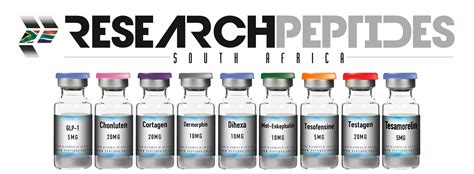
Core peptides represent a specialized category of bioactive protein fragments, characterized by precise amino acid sequences engineered for targeted biological activity. These molecular compounds are fundamental to advanced formulations in the cosmetic and laboratory raw material sectors. For B2B buyers—including formulation chemists, research scientists, and procurement specialists—understanding the composition and performance metrics of core peptides is essential for informed sourcing. The core value of these peptides lies in their ability to deliver reproducible, high-efficacy results in anti-aging applications, tissue support, and cellular signaling modulation, making them a cornerstone of modern biotechnology supply chains.
Core Molecular Specs & Technical Index
Core peptides are defined by their molecular weight, sequence length, and purity grade, which directly influence their functional performance. Standard technical specifications include a minimum purity of 98% as verified by HPLC, solubility in water or DMSO, and lyophilized powder form for extended stability. These parameters ensure batch-to-batch consistency critical for both cosmetic formulations and laboratory assays.
- Purity Grade: ≥98% by HPLC analysis, with endotoxin levels below 1.0 EU/mg for research-grade applications.
- Molecular Weight: Typically ranges from 500 to 5000 Da, optimized for dermal penetration and receptor binding.
- Solubility: High solubility in sterile water (≥10 mg/mL) and phosphate-buffered saline, with optional DMSO for hydrophobic sequences.
- Storage Stability: Lyophilized peptides remain stable for 24 months at -20°C; reconstituted solutions should be used within 7 days at 4°C.
- Sequence Confirmation: Mass spectrometry (MS) and amino acid analysis provided with each batch for identity verification.
Industry data from the 2024 Global Peptide Therapeutics Market Report indicates that the demand for high-purity core peptides (>98%) has grown by 34% year-over-year, driven by anti-aging cosmetic formulations and regenerative research. The market outlook projects a compound annual growth rate of 8.9% through 2030, with core peptides representing the fastest-growing segment due to their sequence-specific efficacy.
Manufacturing & Quality Control
The production of core peptides employs solid-phase peptide synthesis (SPPS) using Fmoc chemistry, ensuring precise amino acid coupling and minimal side reactions. Post-synthesis, crude peptides undergo preparative HPLC purification to achieve the required purity threshold. Quality control protocols are rigorous, with each lot subjected to independent third-party testing for identity, purity, and bioactivity.
- Production Process: Automated SPPS on resin supports, with real-time monitoring of coupling efficiency via conductivity feedback.
- Purification: Reverse-phase HPLC using C18 columns, with gradient elution to separate target peptides from truncated sequences.
- Third-Party Testing: Independent laboratories verify HPLC purity, MS molecular weight, and endotoxin levels before release.
- Certification: Each batch includes a Certificate of Analysis (CoA) with detailed chromatograms and spectral data.
- Traceability: Lot numbers enable full chain-of-custody tracking from raw material sourcing to final packaging.
Commercial Application Scenarios
Core peptides are deployed across diverse commercial channels, each requiring specific handling and formulation expertise. In cosmetic manufacturing, they are incorporated into serums and creams at concentrations of 0.5-5% for targeted anti-aging effects. Laboratory research utilizes them as signaling molecules in cell culture assays, while bulk wholesale operations supply raw material to formulation houses worldwide.
- Cosmetic Formulation: Core peptides are blended with hyaluronic acid and antioxidants in water-based serums, requiring pH stabilization between 5.0-6.5 for optimal activity.
- Lab Research: Used in fibroblast proliferation assays at concentrations of 10-100 µM, with viability measured via MTT assay over 72-hour exposure periods.
- Bulk Wholesale: Supplied in 1-gram to 100-gram quantities, with custom packaging options including vacuum-sealed vials and nitrogen-flushed containers for stability.
Core Peptides VS Ordinary Low-Grade Peptides
| Item | Our Product | Alternatives | Advantages |
|---|---|---|---|
| Purity | ≥98% by HPLC | 85-92% by HPLC | Higher purity reduces batch variability and side reactions |
| Stability | 24 months at -20°C | 12 months at -20°C | Extended shelf life lowers inventory risk |
| Bioavailability | Optimized sequence for receptor binding | Generic sequences with lower affinity | Enhanced efficacy at lower concentrations |
| Documentation | Full CoA, MS, HPLC data | Basic CoA only | Complete traceability for regulatory compliance |
Bulk Purchase Selection Guide
Selecting core peptides for bulk procurement requires careful evaluation of supplier credentials, product specifications, and cost structures. Common pitfalls include accepting low-purity peptides that degrade during formulation, overlooking endotoxin limits for research applications, and failing to verify sequence accuracy. A systematic checklist helps buyers avoid these issues and secure optimal value.
- Common Pitfalls: Purchasing peptides without third-party HPLC verification, assuming all sequences have equivalent stability, and ignoring storage condition requirements.
- Selection Standards: Prioritize suppliers offering ≥98% purity, full analytical data packages, and ISO 9001 certification for manufacturing facilities.
- Buyer Checklist: Verify sequence via MS data, confirm endotoxin levels (<1.0 EU/mg for research), request stability studies for target formulations, and compare cost per milligram of active peptide.
Core Product Advantages
The core peptides offered in this category deliver distinct advantages over standard market alternatives, ensuring reliable performance in demanding applications. High purity minimizes the risk of immune responses in research models, while optimized sequences enhance binding affinity for cosmetic targets. Stability testing under accelerated conditions confirms consistent activity over extended periods, reducing waste and reorder frequency. Cost-effectiveness is achieved through efficient synthesis protocols that lower production costs without compromising quality. Technical support from experienced chemists assists buyers in formulation optimization and troubleshooting, providing a complete solution for raw material sourcing.
- Purity: Rigorous HPLC purification ensures ≥98% purity, eliminating truncated sequences that can interfere with assay results.
- Stability: Lyophilized formulations maintain activity for 24 months, with reconstitution stability of 7 days at 4°C.
- Cost Performance: Competitive pricing through scalable SPPS production, with volume discounts for orders above 10 grams.
- Technical Support: Access to formulation guides, solubility data, and application notes for seamless integration into existing workflows.
Frequently Asked Questions
Q: What is the typical lead time for bulk orders of core peptides?
Standard lead time is 10-14 business days for orders up to 100 grams, with expedited production available for urgent requirements. Custom sequences may require 15-20 days for synthesis and purification.
Q: How do I verify the purity of core peptides upon receipt?
Each shipment includes a Certificate of Analysis with HPLC chromatogram and mass spectrometry data. Buyers can cross-reference the retention time and molecular weight against the provided specifications for independent verification.
Q: Are core peptides compatible with common cosmetic preservatives?
Yes, core peptides are compatible with parabens, phenoxyethanol, and ethylhexylglycerin at standard usage levels. However, avoid strong oxidizing agents like hydrogen peroxide, which can degrade peptide bonds over time.